
Biological Soundness: A Conversation with Dr. David Barzilai on the Architecture of Healthspan

In the equestrian world, "soundness" is the ultimate measure of a horse’s health—the ability to move with power, grace, and structural integrity over a lifetime.
As we enter 2026, we sat down with Harvard Lecturer and Longevity Physician Dr. David Barzilai to explore what 'soundness' looks like in human terms, and why the goal isn't just to live longer, but to move through life with unwavering capacity.

The Philosophy of Anticipation
Pure Mana (PM): You have an MD/PhD and advanced training in lifestyle medicine. What originally pulled you into longevity—and what is your core philosophy today?
Dr. David Barzilai (DB): I came to longevity the same way many physicians do—through early exposure to how fragile health can be. As a child, I dealt with severe asthma, and it created a lasting impression: when health is compromised, your world gets smaller.
Over time, that shaped how I think about medicine. Most of healthcare is reactive. Longevity medicine, at its best, is the opposite: anticipate risk early, reduce it systematically, and preserve function for decades. My goal isn’t to “biohack aging.” It is to build a longer runway of strength, clarity, and mobility—to compress decline into the smallest window possible.
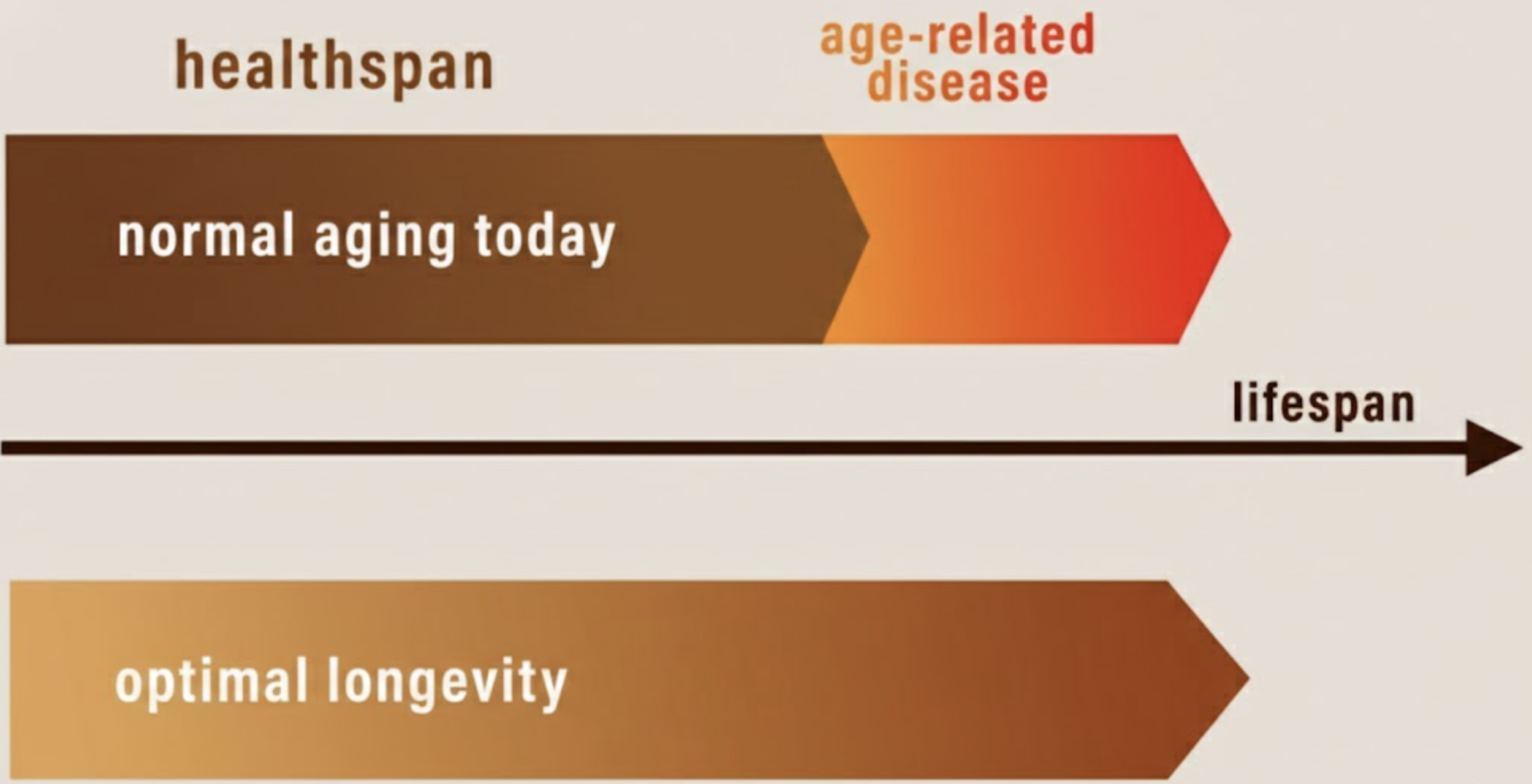
Lifespan vs. Healthspan
PM: People use these terms interchangeably. How do you define the difference?
DB: Lifespan is the number of years you’re alive. Healthspan is the number of years you can live those years well. Modern medicine is great at survival, but often poor at protecting function. We aim for the “compression of morbidity”—delaying decline so your later decades are spent traveling and building, not managing limitations.
The 2030 Horizon: Precision, Not Pills
PM: What breakthroughs in longevity science are most promising through 2030?
DB: The most important shift is that aging is becoming more measurable and actionable. We're improving three things at once: earlier detection of risk (cardiometabolic, vascular, cognitive) before symptoms appear; better personalization using continuous, longitudinal data; and more serious translational work on therapies targeting aging biology directly. I'm cautious, though: animal data is not destiny, and early human signals aren't the same as long-term outcomes. The biggest wins by 2030 will come from precision prevention: measuring earlier, acting sooner, and staying consistent long enough for biology to compound
The Myth of the "Biological Age" Number
PM: How close are we to validated biomarkers of biological age?
DB: We're closer than we were, but there is no 'one number tells the truth.' In practice, the most reliable biological aging signals are still combinations of: cardiometabolic risk markers and trends, functional capacity (strength, VO₂/fitness, mobility), body composition (especially visceral adiposity vs. lean mass), sleep and recovery metrics over time, and imaging when appropriate. If someone asks me their biological age, my real answer is: let's look at trajectory. Are you getting more resilient or less? That's clinically meaningful, and actionable
Wearables: Signal vs. Noise
PM: AI and wearables are everywhere. What is the real value there?
DB: The value is feedback. Wearables help us see "drift" early—patterns in sleep consistency or heart rate variability that suggest trouble before it starts. The noise happens when data becomes entertainment. The best use is selective: pick a few metrics tied to your goals and use them to make specific decisions.
The High-ROI Interventions
PM: What do sophisticated people still underestimate?
DB: Three things show up repeatedly:
Strength and Muscle Quality: Muscle is a metabolic organ. It is your best "anti-frailty" strategy.
Sleep Consistency: Regularity matters as much as quantity for cognitive performance.
Aerobic Base: A strong foundation supports mitochondrial function and stress tolerance. If you do these three well, most “longevity hacks” become far less interesting.
The Executive Brain
PM: Cognitive aging is a major concern for leaders. What is the most practical approach?
DB: Brain health is not a single supplement. It's systems engineering. The best-supported approach is to protect what most threatens the brain long before memory symptoms appear: cardiometabolic health (blood pressure, insulin resistance, vascular risk), consistent aerobic conditioning plus strength, sleep quality and timing, stress physiology (chronic stress is not a badge of honor; it's a biological tax), and social connection and purpose. If you're a high performer, the hidden risk is that chronic stress plus inconsistent sleep can quietly erase the benefits of everything else. The best marker of a good plan isn't fear reduction. It's capability: clearer thinking, better energy, stable mood, and sustained performance.
The Existential Layer
PM: Could longer lives increase existential anxiety?
DB: Yes—if meaning doesn’t keep pace with time. Longer life can amplify the questions people avoid: “Who am I without my role?” One of the most underrated healthspan interventions is building a life architecture that supports meaning—relationships, service, and spiritual practice. Healthspan is the ability to live with coherence.
The Closing Investment
PM: What is the single most important investment one can make for maximum healthspan?
DB: Build—and protect—your capacity. The combination of strength, aerobic fitness, and metabolic stability is a universal amplifier. It makes everything else easier: better energy, better choices, better recovery. Longevity isn’t a hack. It’s a strategy you execute for years.
About the Expert: David Barzilai, MD, PhD, MBA, MS, DipABLM is a longevity physician and consultant focused on evidence-based healthspan optimization and executive longevity strategy. He is a Lecturer at Harvard Medical School and Faculty and Trustee at the Geneva College of Longevity Science.
Connect: LinkedIn
Explore: agingdoc.com
Disclaimer: Dr. Barzilai's participation in this interview is editorial in nature and does not constitute an endorsement of any products or services.